

Hibachi fried rice looks simple, but it is one of the hardest parts of the meal to copy at home. Many people can cook chicken, steak, shrimp, or vegetables on a hot pan and get decent results. Rice is different. If the rice is too wet, it turns soft and heavy. If the pan is not hot enough, it steams instead of fries. If the seasoning goes in too early or too late, the flavor tastes flat.
That is why the rice choice matters.
Calrose rice works well for hibachi fried rice because it sits in the middle. It is not as dry and separate as long grain rice. It is not as sticky as some short grain rice. When cooked, cooled, and handled correctly, it gives you soft grains that can still fry well on a hot griddle, wok, or heavy skillet.
The goal is not to make rice that tastes fancy. The goal is to make rice that tastes balanced. Each bite should have a little butter, garlic, egg, soy sauce, and light crispness from the hot cooking surface. The rice should hold flavor without becoming greasy. It should separate when tossed, but still feel slightly tender.
This guide explains how to use Calrose rice for hibachi fried rice the right way. You will learn how to wash it, cook it, cool it, store it, season it, and fry it without turning it into a sticky pile. You will also learn what most home cooks get wrong and how to fix those problems before they happen.
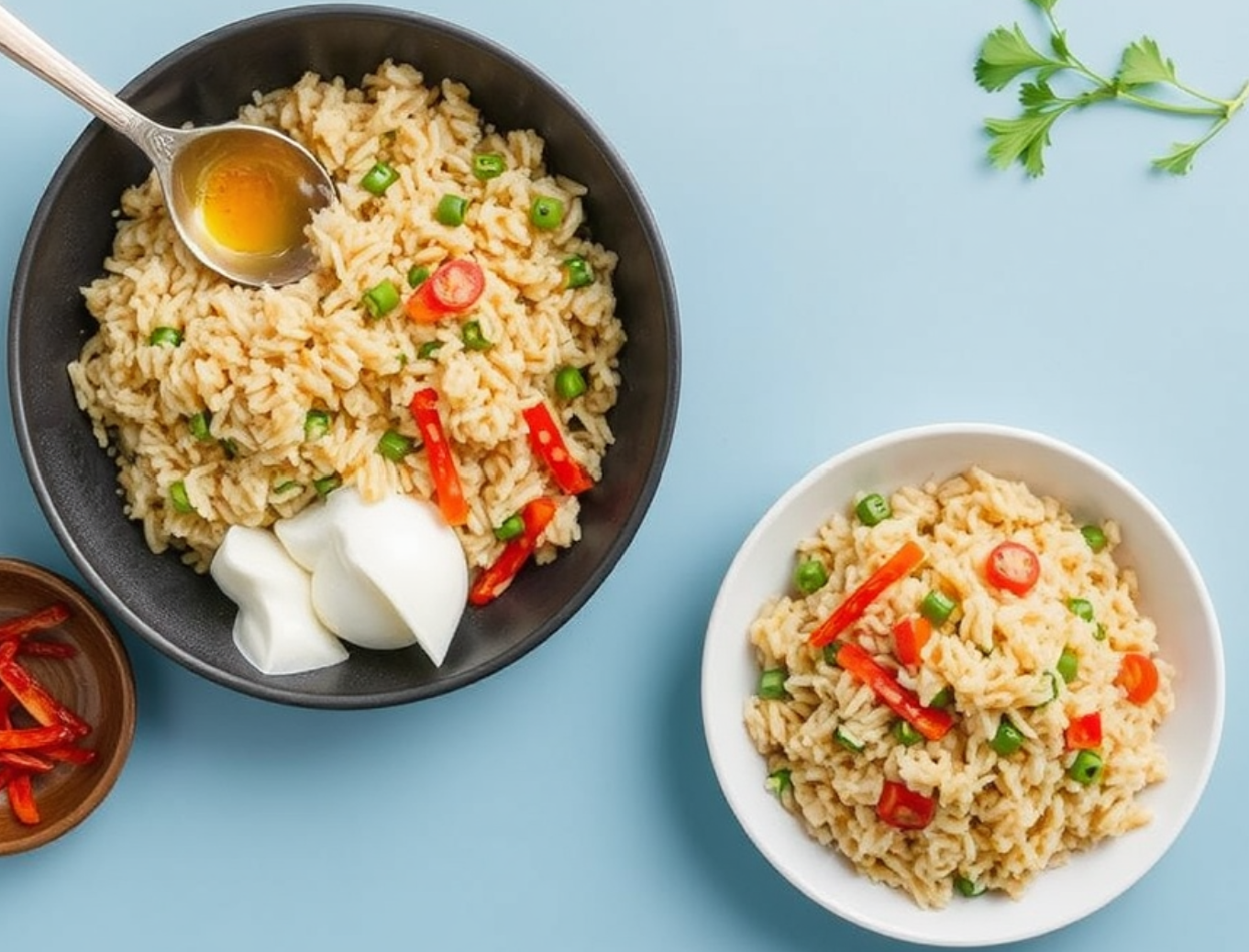
Calrose is a medium grain rice. That means the grains are shorter and wider than long grain rice, but not as compact as many short grain types. This gives it a soft texture after cooking, with enough starch to cling slightly.
That slight cling is useful for hibachi fried rice.
Restaurant style hibachi rice is not supposed to feel dry like plain long grain rice. It should have body. It should pick up butter, garlic, soy sauce, egg, and the flavor left on the cooking surface. Calrose can do that well because it has enough starch to hold seasoning, but it can still separate after cooling.
The key phrase is after cooling.
Fresh Calrose rice can be too soft for frying. If you cook it and throw it straight onto the griddle, the steam inside the rice works against you. Instead of frying, the rice releases moisture. The grains stick together. The texture becomes clumpy.
When the rice is chilled, the surface dries out. The grains firm up. This makes it easier to break up the rice before cooking and easier to fry it without making mush.
That is one reason restaurant fried rice often tastes better than quick home fried rice. Restaurants plan ahead. They do not treat rice as a last minute ingredient.
Many people use jasmine rice for fried rice because it is easy to find and has a nice aroma. Jasmine rice can work, but it gives a different result.
Jasmine is a long grain rice. It tends to cook up lighter and more separate. That can be useful for Thai style fried rice or fried rice where you want very loose grains. For hibachi style rice, jasmine can sometimes feel too dry or too separate unless enough butter, egg, and sauce are used.
Calrose gives a softer bite.
That softer bite is closer to the fried rice many people expect from a Japanese steakhouse. The rice can absorb flavor while keeping a gentle chew. It also pairs well with the simple hibachi flavor base of garlic butter, egg, soy sauce, and vegetables.
This does not mean jasmine is wrong. It means the final texture will be different.
Choose Calrose if you want a softer, slightly sticky, steakhouse style texture.
Choose jasmine if you want a lighter, drier, more separate fried rice.
For hibachi at home, Calrose is often the better choice because it gives the rice more structure and comfort.
The most common fried rice mistake is using rice right after cooking it.
Fresh rice carries steam. It is soft, moist, and delicate. When it hits a hot pan, that moisture turns into more steam. The grains stick together. You end up stirring harder, which breaks the rice. Then the soy sauce and butter coat the outside of a soft mass instead of each grain.
That is why day old rice works better.
Day old rice has had time to cool and dry slightly. The grains become firmer. The surface moisture drops. When the rice hits the hot cooking surface, it fries instead of collapsing.
If you cannot wait a full day, use this faster method.
Cook the rice earlier in the day.
Spread it on a sheet pan in a thin layer.
Let steam escape for 10 to 15 minutes.
Place it in the refrigerator uncovered for 30 minutes.
Then cover it once it is cool.
This will not be quite the same as overnight rice, but it is much better than using hot rice from the pot.
For the best result, cook the rice the day before.
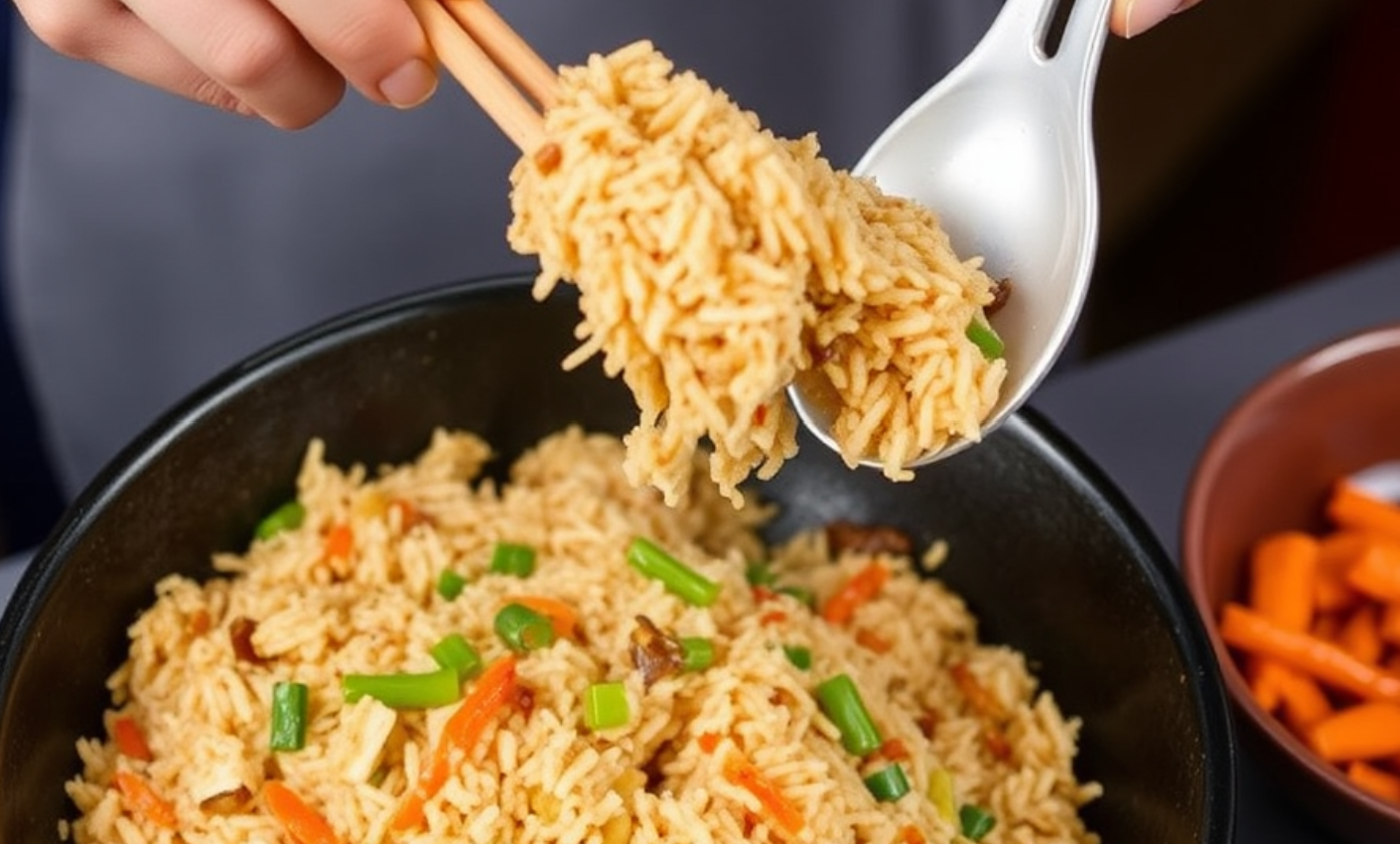
The cooking step decides half the result before the griddle even turns on.
For plain steamed rice, people often want a soft and fluffy texture. For fried rice, you want the rice slightly firmer. It should be cooked through, but not waterlogged.
Start by rinsing the rice. Put the rice in a bowl and cover it with cool water. Swirl it with your hand. The water will turn cloudy. Drain it and repeat until the water is less cloudy. It does not have to run perfectly clear, but removing extra surface starch helps reduce clumping.
Use a little less water than you would for soft table rice.
If your usual rice cooker ratio makes very soft rice, reduce the water slightly. The exact amount depends on your rice cooker, rice age, and brand, but the goal is firm cooked rice that can cool without turning hard.
After cooking, do not stir the rice aggressively. Let it rest for 10 minutes. Then fluff it gently. Spread it on a tray so steam can escape. Once it stops steaming, refrigerate it.
Before frying, break up clumps with your hands. Do this gently. You want separate grains, not crushed rice.
A good serving size for hibachi fried rice depends on the meal.
If fried rice is a side dish, plan about 1 cup cooked rice per person.
If fried rice is the main dish with chicken, shrimp, steak, or vegetables mixed in, plan about 1 and a half cups cooked rice per person.
For a family of four, 4 to 6 cups of cooked rice is usually enough.
For a backyard dinner or game day style gathering, make more than you think you need. Fried rice goes fast because it works as both a side and a comfort food. It also holds well for short service periods if kept warm properly.
Do not overload your pan or griddle. If you have a small cooking surface, fry the rice in batches. Crowded rice steams. Spread out rice fries better.
The flavor is not from one secret ingredient. It comes from timing and balance.
The main flavor builders are:
Garlic
Garlic gives the rice its base aroma. It should cook in butter or oil long enough to smell warm and sweet, but not long enough to burn. Burned garlic makes the whole dish taste bitter.
Butter
Butter gives hibachi fried rice its rich flavor. Many restaurants use more butter than home cooks expect. You do not need to drown the rice, but you do need enough fat to coat the grains and help them crisp.
Egg
Egg adds softness, color, and mild flavor. Scramble it quickly on the hot surface, then mix it into the rice. Do not overcook the egg before adding rice, or it may turn rubbery.
Soy Sauce
Soy sauce adds salt, color, and umami. Add it near the end so the rice does not become too wet early in the cooking process. Let some of the soy sauce touch the hot pan before mixing it through the rice. This gives a deeper flavor.
Heat
High heat is what changes fried rice from mixed rice into true fried rice. The rice needs contact with the hot surface. If the heat is low, the rice only warms up.
Garlic butter is one of the main reasons hibachi fried rice tastes different from basic home fried rice.
Butter carries flavor well. Garlic gives aroma. Together, they coat the rice and make the dish feel rich without needing many spices.
You can make simple garlic butter at home.
Soften unsalted butter.
Mix in finely minced garlic.
Add a small pinch of salt if your butter is unsalted.
Let it sit for at least 15 minutes before cooking.
For a smoother taste, cook the garlic gently in butter for a short time, then cool it. This takes away the raw garlic bite.
Use garlic butter carefully. Too much can make the rice heavy. Too little can make it taste plain.
For 4 cups cooked rice, start with 2 to 3 tablespoons of garlic butter. Add more only if the rice looks dry.
Butter gives flavor, but oil helps with heat.
Butter can burn if the cooking surface is too hot. Oil has a higher smoke point, depending on the type. Using both gives you better control.
Start with a neutral oil on the hot surface. Canola oil, avocado oil, vegetable oil, or another high heat cooking oil can work. Then add butter for flavor once the aromatics or rice are going in.
This gives you the taste of butter without burning it too quickly.
The order matters.
Oil first.
Garlic and vegetables next.
Egg.
Rice.
Butter.
Soy sauce near the end.
That order keeps the dish cleaner and helps each ingredient do its job.
A flat top griddle gives the closest restaurant style result because it has a wide cooking area. Rice can spread out, touch the heat, and fry quickly.
A Blackstone style griddle works well for this reason. It gives you room to cook rice, eggs, vegetables, and protein without crowding.
A wok can also work well because it gets very hot and makes tossing easy. The challenge is that many home stoves do not get hot enough for true wok cooking, but a good wok can still make strong fried rice.
A cast iron skillet is a good home option. It holds heat well and creates good browning. The main limit is space. If the skillet is small, cook in batches.
A thin nonstick pan is the weakest choice for this dish. It can work for a quick version, but it will not give the same flavor because it usually cannot hold high heat as well.
One reason restaurant hibachi fried rice tastes balanced is because ingredients are added in a specific order.
Many home cooks throw everything into the pan at once. The result is uneven cooking. Some ingredients overcook while others stay undercooked.
A better sequence looks like this:
Heat the cooking surface.
Add oil.
Cook onions if using them.
Add garlic.
Cook eggs separately.
Add rice.
Add butter.
Add soy sauce.
Add protein.
Finish with green onions.
This sequence keeps ingredients from fighting each other.
Garlic stays aromatic.
Egg stays soft.
Rice stays separate.
Soy sauce coats instead of soaking.
The difference may sound small, but it changes the final texture significantly.
Most people think restaurants have secret ingredients.
Usually they do not.
The real difference is technique.
Restaurant chefs understand moisture management.
Every ingredient contains water.
Rice contains water.
Vegetables contain water.
Protein contains water.
Soy sauce contains water.
If too much moisture enters the pan at the same time, frying stops and steaming begins.
This is why many restaurant chefs cook proteins separately.
Chicken, shrimp, steak, and vegetables are often cooked first.
Then fried rice is prepared.
Then everything comes together.
This prevents excess moisture from ruining the rice texture.
For home cooks, this is one of the easiest improvements to make immediately.
Yes, but keep them simple.
Traditional American hibachi fried rice usually contains small amounts of vegetables rather than large vegetable mixtures.
The most common choices include:
Onions
Carrots
Peas
Green onions
The goal is not to turn the rice into a vegetable stir fry.
Vegetables should support the rice rather than dominate it.
Cut vegetables into small pieces.
Large chunks make it difficult to get an even bite.
Small pieces distribute flavor throughout the dish.
This creates a better eating experience.
Calrose rice works well with nearly every hibachi protein.
Popular choices include:
Chicken
Steak
Shrimp
Scallops
Salmon
Lobster
Filet mignon
Short ribs
Because Calrose rice has a slightly softer texture, it balances richer proteins particularly well.
For example:
A buttery steak paired with dry rice can feel disconnected.
A buttery steak paired with soft fried rice feels balanced.
The same principle applies to shrimp and scallops.
The rice becomes part of the meal rather than just a side dish.
Many home cooks use too much soy sauce.
The rice becomes dark brown.
The flavor becomes salty.
The texture becomes wet.
Restaurant fried rice usually uses less soy sauce than people expect.
The purpose of soy sauce is not to drown the rice.
Its purpose is to support the rice.
Start with less.
Taste.
Add more only if necessary.
A small amount often creates better flavor than a large amount.
Remember that butter, garlic, eggs, and proteins already provide flavor.
Soy sauce should not overpower everything else.
Heat creates flavor.
This is one reason restaurant hibachi rice tastes different.
Professional cooking surfaces hold heat consistently.
Many home pans lose heat when rice is added.
This creates steaming instead of frying.
To improve results:
Preheat longer.
Do not rush.
Allow the cooking surface to become properly hot.
Add ingredients gradually.
Avoid overcrowding.
These simple adjustments often improve fried rice more than any ingredient change.
Cause:
Fresh rice.
Too much moisture.
Overcrowded pan.
Fix:
Use chilled rice.
Cook in batches.
Reduce moisture.
Cause:
Not enough butter.
Rice cooked too far in advance.
Too much heat.
Fix:
Add small amounts of butter.
Reduce cooking time.
Store rice properly.
Cause:
Insufficient seasoning.
Weak garlic flavor.
Not enough salt.
Fix:
Increase garlic slightly.
Adjust soy sauce.
Season gradually while tasting.
Cause:
Improper cooling.
Too much starch.
Fix:
Rinse rice before cooking.
Cool completely.
Break apart clumps before frying.
Good fried rice can be stored safely for later meals.
Allow the rice to cool.
Transfer it to an airtight container.
Refrigerate promptly.
When reheating:
Use a skillet when possible.
Add a small amount of butter.
Reheat over medium heat.
Avoid overheating.
Microwaves work, but skillets often restore texture better.
Most leftover fried rice stays at its best for several days when stored properly.
Yes.
This is actually one of the biggest advantages of Calrose rice.
Because the rice improves after chilling, part of the preparation can happen the day before.
A practical schedule looks like this:
Day Before:
Cook rice.
Cool rice.
Store rice.
Event Day:
Prep ingredients.
Cook proteins.
Make fried rice.
Serve immediately.
This reduces stress and improves quality.
Many experienced hosts use this approach for backyard parties, graduation celebrations, and family gatherings.
Ask guests what they remember most from a hibachi dinner.
Many will say:
The fried rice.
Not the steak.
Not the shrimp.
Not the vegetables.
The rice.
Why?
Because every flavor ends up there.
Butter.
Garlic.
Egg.
Soy sauce.
Protein juices.
Vegetable flavors.
Everything combines into one dish.
That is why great fried rice feels comforting.
Every bite carries multiple layers of flavor.
It is simple food done well.
If you are planning a backyard hibachi night around football season, preparation becomes even more important.
Guests arrive hungry.
Schedules become unpredictable.
Large groups create timing challenges.
A few practical tips help:
Cook rice the day before.
Prep vegetables early.
Keep proteins refrigerated until needed.
Have extra rice ready.
Provide multiple serving utensils.
Set up trash and cleanup stations.
Good preparation creates a smoother event and allows everyone to enjoy the experience.
One overlooked advantage of Calrose rice is scalability.
It performs consistently whether cooking for:
Four people
Ten people
Twenty people
Large family events often require rice that can handle volume without becoming dry.
Calrose performs well in these situations.
It remains tender longer than many long grain varieties.
This makes it useful for birthdays, graduation parties, family reunions, and neighborhood gatherings.
Many Japanese restaurants in the United States use medium grain rice because it provides the texture guests expect. Calrose rice is one of the most practical options available nationwide.
It depends on the texture you want. Calrose produces a softer steakhouse style result. Jasmine creates a lighter and drier texture.
Yes. Rinsing removes excess surface starch and helps create cleaner grain separation.
Restaurants often use more butter, higher heat, and better moisture control than home cooks.
Yes. A flat top griddle is one of the best tools for making restaurant style hibachi fried rice because it provides even heat and plenty of cooking space.
The most common choices are onions, carrots, peas, and green onions. Keep vegetables simple and finely diced.
Yes. Cool it completely before freezing and reheat gently to maintain texture.
Chicken, steak, shrimp, scallops, and filet mignon are all excellent options.
The secret to better hibachi fried rice is not a hidden ingredient.
It is a combination of the right rice, proper preparation, moisture control, and high heat.
Calrose rice works particularly well because it creates the texture most people associate with Japanese steakhouse fried rice. It absorbs flavor, stays tender, and fries beautifully when cooled correctly.
Most failed fried rice recipes can be traced back to three mistakes.
Using fresh rice.
Using low heat.
Using too much moisture.
Fix those three issues and your results improve immediately.
When combined with garlic, butter, eggs, soy sauce, and proper technique, Calrose rice becomes the foundation for restaurant quality hibachi fried rice that guests will remember long after the meal is over.
--Yann


Love Hibachi · Private Hibachi Chef Catering · 7am-10pm Daily
Also serving: Boca Raton FL · Brevard FL · Broward FL · Delray Beach FL · Fort Lauderdale FL · Jupiter FL · Miami Dade FL · Orange FL · Orlando FL · Osceola FL · Palm Beach FL · Austin TX · Collin TX · Dallas TX · Denton TX · Ellis TX · Fort Worth TX · Galveston TX · Harris TX · Houston TX · Tarrant TX · Travis TX · More Areas

