


Walk into many Japanese restaurants in Westchester, and you may notice the same pattern. One side of the menu offers hibachi style grill dinners with steak, shrimp, chicken, fried rice, vegetables, and chef performance. Another side lists sushi rolls, nigiri, sashimi, and appetizers like miso soup or edamame.
For many diners, this feels normal. Hibachi and sushi seem to belong together.
But they are not the same type of cooking.
Hibachi, as most people use the word in the United States, usually refers to teppanyaki style cooking. Food is prepared on a hot flat iron grill while guests watch. The meal is warm, active, and often built around steak, chicken, seafood, fried rice, vegetables, garlic butter, and soy based seasoning.
Sushi is different. It centers on vinegared rice, seafood, careful knife work, clean flavor, and precise preparation. Some sushi includes raw fish. Some uses cooked seafood, vegetables, egg, eel, tempura, or sauces. The pace is calmer. The skill is quieter. The food is cooler and more delicate.
The answer is practical, cultural, and customer driven. In places like Dobbs Ferry, where families, students, commuters, and Hudson River village residents may dine in groups, restaurants often build menus that satisfy different tastes at the same table. Sushi gives lighter options. Hibachi gives a warm meal and a show. Together, they cover more dining situations.
Dobbs Ferry also has the kind of restaurant audience where this pairing makes sense. The village sits along the Hudson River, with a mix of families, Mercy University students, commuters, and visitors moving between Broadway, Ashford Avenue, the waterfront, Hastings on Hudson, Irvington, Ardsley, and other Rivertowns. People often dine in groups with different preferences. A sushi and hibachi menu gives those groups more room to say yes.
This guide explains why sushi is common at hibachi restaurants, how the two styles differ, what to order first, how to judge quality, and how Dobbs Ferry diners can make better choices when planning a Japanese food night.
The first thing to understand is that hibachi and sushi are not two versions of the same food.
They come from different parts of Japanese food culture.
In the United States, hibachi usually means a chef cooking on a flat griddle in front of guests. Technically, that style is closer to teppanyaki. A hibachi in Japan traditionally refers to a heating device or charcoal fire bowl, while teppanyaki means cooking on an iron plate. Many American restaurants still use hibachi because the word became familiar to customers.
Sushi has a different base. It is built around seasoned rice, fish, seafood, vegetables, and careful assembly. The rice is not just a side item. It is the foundation. A sushi chef has to manage rice texture, vinegar balance, fish handling, knife cuts, temperature, and presentation.
Hibachi is loud, hot, and social.
Sushi is precise, cool, and focused.
That contrast is one reason the two work well on the same menu.
A group may include one guest who wants steak and fried rice, another who wants salmon nigiri, another who prefers a California roll, and another who wants shrimp and vegetables from the grill. A restaurant that offers both can serve the whole group without forcing everyone into one dining style.
The pairing is not random.
Restaurants combine sushi and hibachi because it helps solve real dining problems.
Group dining is the biggest reason.
One person may want a full grill dinner. Another may want something lighter. Someone may not eat beef. Someone else may avoid fried rice or heavy sauces. A child may want cooked shrimp. An adult may want sashimi or a spicy tuna roll.
A menu with both sushi and hibachi gives the group options without needing to choose two separate restaurants.
This matters in towns like Dobbs Ferry because many meals are social. Families eat after school events. Friends meet near the waterfront. Students may go out near Mercy University. Parents may plan birthday dinners. Commuters may meet after getting off Metro North. Mixed groups need flexible menus.
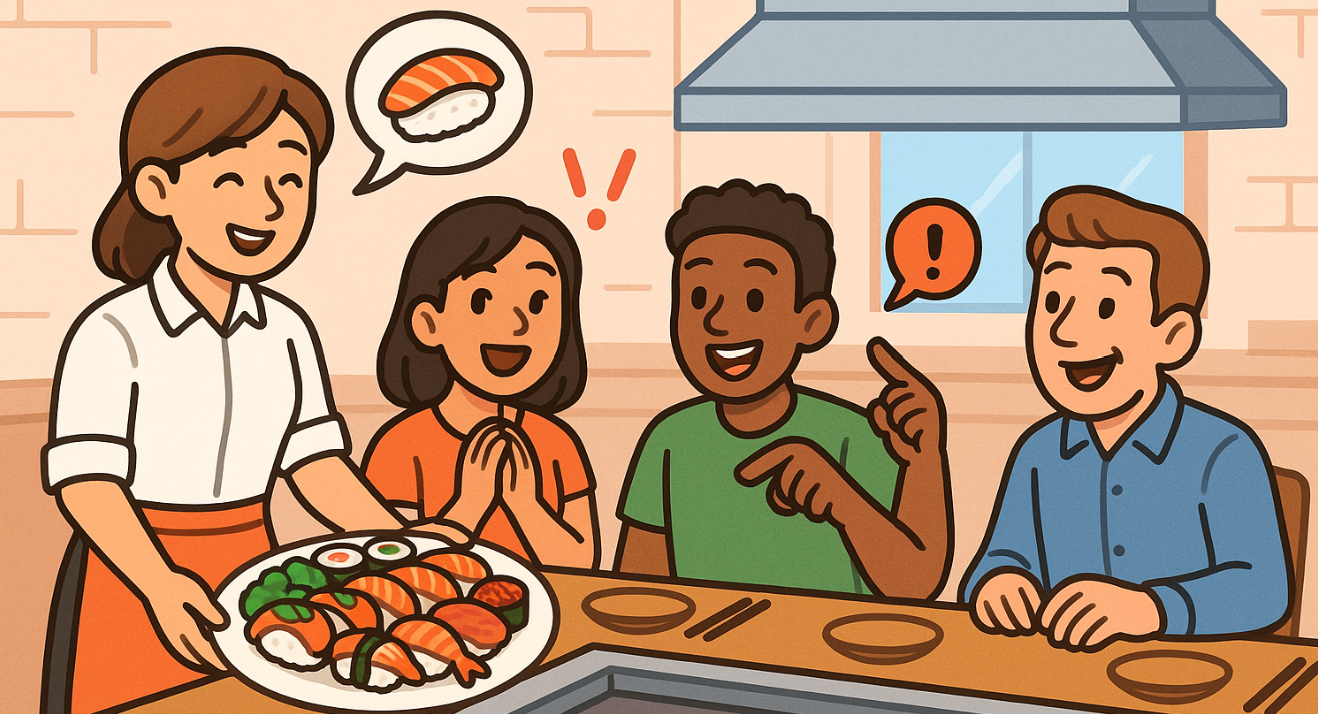
At many hibachi restaurants, guests wait while the chef prepares the cooking station and takes orders. Sushi works well during that waiting period.
A small roll, a few pieces of sashimi, or simple nigiri can act as a starter. It gives guests something to enjoy without filling them up too much before the grill meal.
This is one reason rolls like California roll, spicy tuna, cucumber roll, avocado roll, shrimp tempura roll, and salmon avocado roll are common on hibachi menus. They are easy to share, familiar, and quick to serve.
Hibachi meals are often rich.
Fried rice, garlic butter, steak, chicken, shrimp, noodles, vegetables, sauces, and seared proteins create a warm and savory meal. That is part of the appeal, but it can feel heavy.
Sushi gives contrast.
It is cooler. It can be lighter. It often has cleaner flavors. Vinegared rice, cucumber, avocado, tuna, salmon, shrimp, eel, or seaweed can balance the heavier grill items.
That contrast makes the meal feel more complete.
A guest can start with a few pieces of sushi, enjoy the grill dinner, then leave satisfied without feeling like every bite was rich and buttery.
From a restaurant point of view, offering both sushi and hibachi makes the business more useful to more people.
A pure sushi restaurant may not attract guests who want a full cooked meal.
A pure hibachi restaurant may not attract guests who want sushi, sashimi, or lighter appetizers.
A combined menu can serve lunch, dinner, birthdays, date nights, family meals, and group outings.
That is why the format is common across many parts of the United States.
In Japan, it is more common to find specialized restaurants. A sushi ya focuses on sushi. A teppanyaki restaurant focuses on iron plate cooking. A ramen shop focuses on ramen. An izakaya focuses on small plates and drinks.
In North America, many Japanese restaurants became broader.
They often serve a mix of sushi, hibachi, teriyaki, tempura, bento boxes, noodles, and kitchen entrees. This is not always traditional, but it makes business sense. American diners often choose restaurants by group convenience. A broad menu helps the whole table find something familiar.
This is especially true outside dense urban dining areas.
In a place like New York City, a diner can choose from very specialized sushi counters, ramen shops, izakaya, omakase bars, yakitori restaurants, and teppanyaki rooms. In a village or suburban market, a wider menu often performs better because the restaurant serves families, students, commuters, and mixed age groups.
Dobbs Ferry is close to New York City, but it still has its own local rhythm. It is a Rivertown community with restaurants, schools, parks, waterfront views, and nearby villages. A flexible Japanese restaurant format fits that lifestyle because people often want something good, reliable, and group friendly without traveling into Manhattan.
Sushi is not just an extra category on the menu.
It changes how the meal feels.
A hibachi grill dinner has a clear build up. Guests sit down, order, watch the chef arrive, and wait for the cooking to begin. Sushi fills that early part of the meal without rushing the main event.
A shared roll gives the table something to talk about before the fire and grill work begin.
This is useful for birthday dinners, family outings, or groups who want the meal to feel relaxed.
Hibachi plates are often built around warm colors and cooked textures: browned steak, golden fried rice, seared shrimp, grilled vegetables, and sauce.
Sushi adds a different look: sliced fish, white rice, green avocado, orange salmon, red tuna, dark seaweed, cucumber, sesame seeds, roe, and sauces.
This makes the table more visually interesting.
Some diners do not want a full grill meal. Sushi lets them join the same table without ordering something heavy.
This is helpful for lunch, early dinners, or mixed groups where not everyone has the same appetite.
Sushi rolls are easy to share.
That makes them useful for families and groups. A table can order two or three rolls and split them before the hibachi chef begins cooking.
The key is not to overorder. Hibachi portions are often large, so sushi should support the meal rather than compete with it.
The pairing also works in the other direction.
Hibachi brings energy to a Japanese restaurant.
A sushi only meal can be quiet and focused. That is part of its beauty. But some groups want a more active dinner. Hibachi gives them movement, sound, heat, and interaction.
The chef show makes the meal easier for children and groups. It also makes the restaurant feel like a place for birthdays, graduations, anniversaries, and celebrations.
For restaurants, this matters because celebration meals bring larger parties. Larger parties often want an experience, not just food.
Hibachi gives them that.
It creates a reason to choose the restaurant for an occasion.
Sushi at hibachi restaurants often leans toward familiar rolls and popular items.
This is not a bad thing. It matches the customer base.
Most hibachi restaurants serve guests of many ages and comfort levels. Not every guest wants traditional nigiri or sashimi. Many want rolls they recognize.
Common options include:
California roll
Spicy tuna roll
Salmon avocado roll
Shrimp tempura roll
Dragon roll
Rainbow roll
Eel avocado roll
Cucumber roll
Avocado roll
Tuna nigiri
Salmon nigiri
Shrimp nigiri
Eel nigiri
Sashimi combinations
The best choice depends on when you plan to eat it.
If sushi is a starter before hibachi, keep it light.
Good starter choices include cucumber roll, avocado roll, salmon avocado roll, tuna roll, or a small sashimi order.
If sushi is part of a full shared table, choose a mix of cooked and raw options.
For guests who avoid raw fish, shrimp tempura rolls, California rolls, eel avocado rolls, and vegetable rolls can work well.
The biggest mistake is ordering too much at the start.
Hibachi meals are filling. Fried rice, vegetables, protein, sauces, soup, and salad can add up quickly.
If you want sushi before hibachi, use this simple rule:
Order one roll for every two to three people if the group is also ordering full grill meals.
For a table of four, one or two rolls is usually enough.
For a table of six, two or three rolls can work.
For a table of ten, four rolls may be plenty if hibachi entrees are coming.
If some guests are only eating sushi, then adjust the order.
A good balanced table might look like this:
Two light rolls to share.
One sashimi starter for guests who enjoy raw fish.
Hibachi entrees for the main meal.
Extra rice or vegetables only if needed.
This keeps the meal enjoyable without turning it into too much food.
Not every restaurant gives equal attention to both sides of the menu.
Some places are stronger at hibachi.
Others are stronger at sushi.
The best restaurants invest in both.
If you are dining in Dobbs Ferry or exploring Japanese restaurants elsewhere in Westchester County, there are several signs that can help you evaluate the sushi program.
A strong sushi menu is organized and intentional.
It should include:
Nigiri
Sashimi
Classic rolls
Specialty rolls
Vegetarian options
Seasonal selections when available
A menu overloaded with dozens of sauce-heavy specialty rolls may be appealing, but it does not always indicate quality.
Sometimes fewer choices signal greater focus.
Fresh fish selection matters.
Restaurants that regularly offer tuna, salmon, yellowtail, eel, shrimp, and seasonal items often take their sushi offerings seriously.
A menu limited to only a handful of ingredients may suggest sushi is an afterthought rather than a dedicated part of the restaurant.
Sushi is visual.
Rice shape, fish cuts, roll construction, garnishes, and plating all reveal the level of care behind the food.
A properly prepared roll should look clean and balanced rather than overloaded with sauce.
One of the easiest signs of quality is temperature.
Rice should not be cold.
Fish should not be warm.
Good sushi is served at temperatures that allow ingredients to taste their best.
Many casual diners overlook this detail, but experienced sushi chefs pay close attention to it.
People often focus on fish.
In reality, rice is the foundation of sushi.
Many professional chefs believe sushi rice quality matters more than the fish itself.
The rice should have:
Proper seasoning
Balanced vinegar
Correct texture
Appropriate moisture
Good temperature
A restaurant can buy excellent seafood, but poor rice will still create disappointing sushi.
This is one reason dedicated sushi chefs spend years refining their technique.
The rice is not simply a side ingredient.
It is the heart of the dish.
One interesting comparison is the role rice plays in each style.
Hibachi fried rice is designed for warmth, richness, and comfort.
The grains absorb butter, garlic, soy sauce, eggs, vegetables, and flavors from the grill.
Sushi rice serves a different purpose.
It provides structure.
It balances fish.
It supports texture.
It carries mild sweetness and acidity through rice vinegar seasoning.
Both rely on rice.
Yet they create completely different experiences.
This contrast is one reason hibachi and sushi work well together.
One style highlights richness and heat.
The other highlights freshness and balance.
Food is not only about ingredients.
It is also about how people gather.
Hibachi naturally creates conversation.
People react to:
Knife skills
Flames
Flying shrimp
Onion volcanoes
Chef interaction
The experience becomes part of the evening.
Sushi contributes differently.
Instead of creating excitement, it encourages sharing.
Guests discuss rolls.
People trade pieces.
Tables compare flavors.
The meal becomes collaborative.
Together, these dining styles create both energy and connection.
For families in Dobbs Ferry, Hastings-on-Hudson, Irvington, Ardsley, and surrounding Rivertown communities, this combination helps explain why Japanese restaurants remain popular choices for birthdays, celebrations, and casual group dinners.
Many hibachi diners want to try sushi but feel uncertain.
The good news is that not all sushi contains raw fish.
Several beginner-friendly options are available.
Often considered the gateway roll.
Typically includes:
Crab or imitation crab
Avocado
Cucumber
Seaweed
Rice
The flavors are mild and approachable.
A cooked option featuring crispy shrimp.
Popular among guests who enjoy texture and crunch.
Simple, refreshing, and light.
A good choice before a larger hibachi meal.
Creamy and vegetarian friendly.
Pairs well with almost any hibachi entrée.
A popular introduction to raw fish because salmon has a rich but approachable flavor.
Starting with these options helps new diners explore sushi without feeling overwhelmed.
Experienced sushi fans often approach hibachi restaurants differently.
Rather than ordering elaborate specialty rolls, they may focus on:
Nigiri
Sashimi
Simple tuna rolls
Simple salmon rolls
Yellowtail
Eel
Chef specials
These items make it easier to evaluate fish quality and preparation.
When ingredients are excellent, simple sushi often shines brightest.
One misconception is that Japanese cuisine revolves only around sushi and hibachi.
Japan's culinary traditions are much broader.
Examples include:
Ramen
Udon
Soba
Yakitori
Tempura
Shabu-shabu
Sukiyaki
Okonomiyaki
Donburi
Katsu
Izakaya cuisine
Japanese curry
Each style reflects different regions, techniques, ingredients, and histories.
Sushi and hibachi became popular in North America because they are visually appealing and accessible.
However, they represent only a portion of Japanese food culture.
Understanding this helps diners appreciate both dishes more deeply.
If you are organizing a family dinner, date night, celebration, or group outing, a few simple strategies can improve the experience.
Good choices include:
Edamame
Gyoza
Seaweed salad
Light sushi rolls
This creates a relaxed start without overwhelming the table.
Remember that hibachi entrées are often generous.
A few shared rolls are usually enough.
A balanced table may include:
Sushi rolls
Sashimi
Fried rice
Steak
Chicken
Shrimp
Vegetables
This creates contrast and variety.
The chef performance is part of what makes hibachi memorable.
Treat sushi as a complement rather than the centerpiece when combining the two.
Restaurant trends come and go.
Some disappear quickly.
The sushi and hibachi pairing has remained popular for decades.
There are practical reasons for that longevity.
The combination serves different tastes.
It supports group dining.
It balances heavy and light foods.
It works for celebrations.
It appeals to both adventurous eaters and cautious eaters.
Most importantly, it allows restaurants to create a complete experience.
Guests can enjoy fresh seafood, grilled meats, vegetables, rice, sauces, and entertainment in one place.
That flexibility keeps the format relevant.
Not necessarily.
In Japan, specialized sushi restaurants and teppanyaki restaurants are often separate. The combination became more common in North America because it serves a wider range of customer preferences.
Most diners enjoy sushi first and hibachi second. Sushi works well as an appetizer while waiting for the grill meal.
That depends on what is ordered. Simple sushi and sashimi can be lighter, while fried rolls with sauces may be just as rich as some hibachi dishes.
Yes. Many children start with California rolls, cucumber rolls, avocado rolls, or shrimp tempura rolls before trying more traditional options.
Offering both styles allows restaurants to serve more customers, satisfy different tastes, and create stronger group dining experiences.
No.
Many popular sushi items use cooked seafood, vegetables, egg, or other ingredients.
Sushi includes seasoned rice.
Sashimi consists of sliced fish or seafood served without rice.
This article was written to help diners understand why sushi and hibachi are commonly paired in Japanese restaurants and how the two traditions complement each other. While both have distinct histories, techniques, and culinary goals, their combination has become one of the most successful dining formats in North America because it provides variety, balance, and a memorable shared experience.
For diners in Dobbs Ferry and throughout the Hudson River Rivertowns, sushi and hibachi continue to be a popular pairing because they solve a simple problem.
Groups rarely want exactly the same thing.
Some guests want steak and fried rice.
Others want salmon nigiri or a fresh roll.
Some want a chef show.
Others want a lighter meal.
Together, sushi and hibachi create a menu that satisfies all of those preferences without forcing anyone to compromise.
The next time you sit down at a hibachi restaurant and notice sushi on the menu, you will know the answer to a question many diners ask.
The pairing is not accidental.
It exists because the two styles balance one another remarkably well.
One brings heat, energy, and performance.
The other brings freshness, precision, and contrast.
Together, they create a dining experience that has remained popular for generations and continues to attract families, friends, students, commuters, and food lovers throughout Dobbs Ferry, Westchester County, and beyond.
aa


Love Hibachi · Private Hibachi Chef Catering · 7am-10pm Daily
Also serving: Boca Raton FL · Brevard FL · Broward FL · Delray Beach FL · Fort Lauderdale FL · Jupiter FL · Miami Dade FL · Orange FL · Orlando FL · Osceola FL · Palm Beach FL · Austin TX · Collin TX · Dallas TX · Denton TX · Ellis TX · Fort Worth TX · Galveston TX · Harris TX · Houston TX · Tarrant TX · Travis TX · More Areas

