

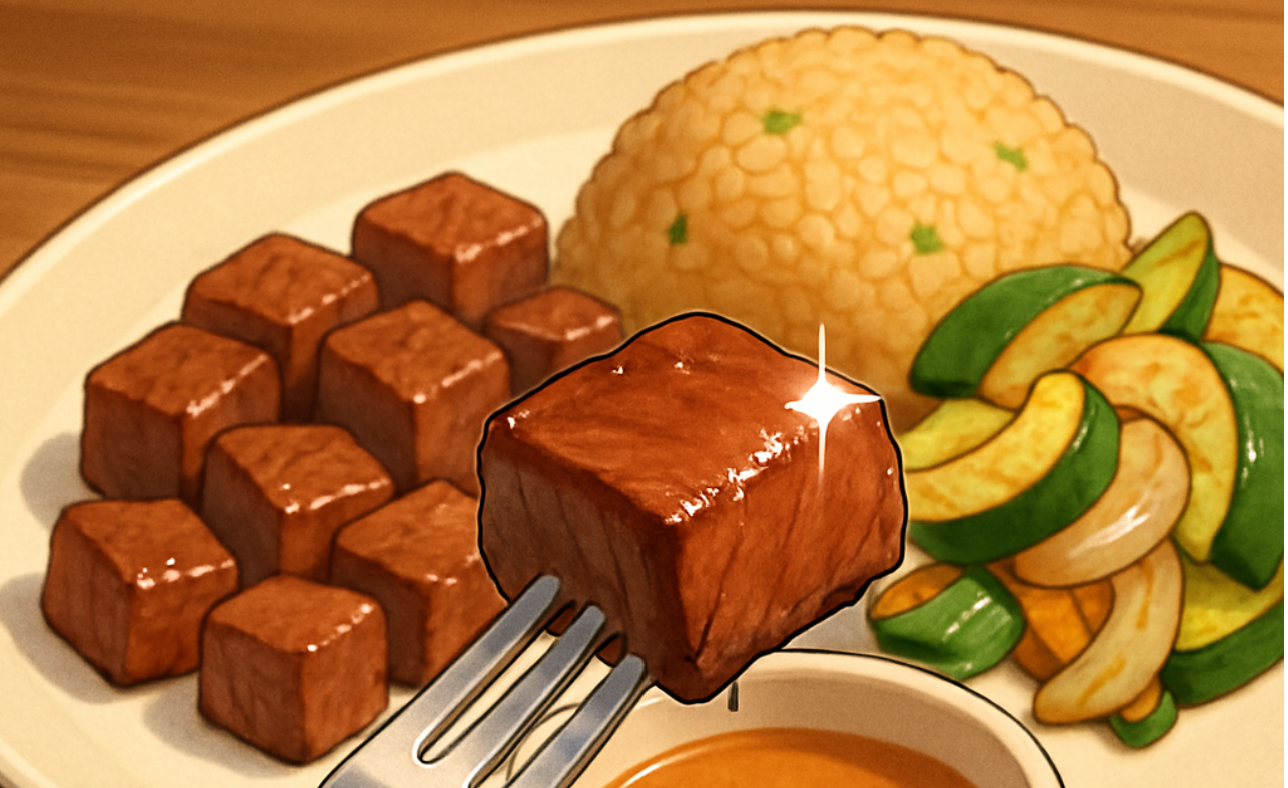
Steak is one of the main reasons people love hibachi. It cooks fast, smells rich on the grill, and pairs well with fried rice, vegetables, garlic butter, soy sauce, yum yum sauce, and ginger sauce.
But not every steak cut works the same way on a hot flat top grill.
Some cuts stay tender when cooked in small cubes. Some have more marbling, which adds flavor. Others can turn chewy if they are cut wrong, cooked too long, or placed on heat that is not hot enough.
The best type of steak for hibachi depends on three things: tenderness, fat content, and how well the cut handles quick high heat. For most home cooks, top sirloin is the most practical choice. For a softer bite, filet mignon is the top premium choice. For richer flavor, New York strip or ribeye can work well when trimmed and cut correctly.
This guide explains the best steak cuts for hibachi, how to compare them, what beef grades mean, and how to choose steak that tastes good without wasting money.
Hibachi steak is usually cooked in small pieces over high heat. That cooking style is fast. The meat does not have hours to become tender like it would in a slow braise or stew.
That means the cut matters before the steak ever touches the grill.
A good hibachi steak should:
Hold moisture during fast cooking
Brown well on the outside
Stay tender after being cut into cubes
Have enough beef flavor to stand up to butter, garlic, and soy sauce
Cook evenly in small pieces
A tough cut may taste fine in a slow cooker, but it can become rubbery on a flat top. A very fatty cut may taste rich, but too much outside fat can cause grease and flare problems. A very lean cut may look clean, but it can dry out quickly.
For hibachi, the goal is balance. You want tender beef with enough marbling to stay juicy, but not so much fat that the grill becomes greasy.
A steak cut works well for hibachi when it has the right mix of tenderness, marbling, shape, and cooking speed.
Tenderness is important because hibachi steak is often served in bite sized pieces. Guests should be able to eat it easily with fried rice and vegetables.
Cuts from the loin area, such as top sirloin, tenderloin, and strip steak, are common choices because they are usually tender enough for dry heat cooking. The USDA explains that Choice steaks from the loin and rib are suited for dry heat cooking because they can be tender, juicy, and flavorful when handled well.
Marbling means small streaks of fat inside the meat. This fat melts during cooking and adds moisture and flavor.
More marbling usually means a richer steak. Less marbling often means a leaner steak that may need more care during cooking.
USDA beef grades are partly based on marbling. Prime has the most marbling among the common retail grades. Choice has less than Prime but can still be high quality. Select is leaner and may have less juiciness and flavor.
For hibachi, the steak should be easy to cut into even pieces. A thick steak is easier to cube than a thin steak. Pieces that are close in size cook at the same speed.
Aim for steak that can be cut into pieces about 1 inch wide. Very thin steak can overcook before it browns. Uneven pieces may leave some bites dry and others undercooked.
Marbling inside the meat is helpful. Large chunks of outside fat are less helpful.
Before cooking ribeye or strip steak, trim thick outside fat. Leave a small amount for flavor, but remove large pieces that may melt too fast and create extra grease.
Hibachi cooking uses quick heat. The steak needs to brown fast without becoming tough.
Cuts that work well with dry heat are usually better choices. Cuts that need slow cooking, like chuck roast or brisket, are not ideal unless they are prepared in a special way before cooking.
The right steak depends on your budget, taste, and cooking skill. Here are the best choices for most hibachi meals.
Top sirloin is one of the best all around choices for hibachi. It has a clean beef flavor, is easier to find, and costs less than filet mignon, ribeye, or New York strip.
Many hibachi style restaurants use sirloin because it gives a good mix of taste, tenderness, and price. It also holds up well when cut into cubes.
Top sirloin works best when:
It is cut into even pieces
It is not overcooked
It is seasoned close to cooking time
It is cooked on a hot surface
It is tossed with garlic butter near the end
If you are cooking hibachi steak at home for the first time, start with top sirloin. It gives you room to learn without spending too much.
Avoid bottom sirloin if you want a softer bite. It can be more affordable, but it is often tougher than top sirloin.
Filet mignon comes from the tenderloin. It is known for being soft, mild, and easy to chew.
This is the best choice when tenderness matters more than strong beef flavor. It is also a good pick for birthdays, anniversaries, small dinner parties, and guests who prefer a softer steak.
Filet mignon works well for hibachi because it cooks quickly and stays tender. The downside is price. It also has less fat than ribeye or strip steak, so it has a lighter flavor.
Use filet mignon when:
You want a premium steak bite
The guest count is smaller
You want very tender beef
You do not mind paying more
You plan to serve richer sauces on the side
Do not cook filet too long. It can lose moisture even though it is tender.
New York strip is a strong choice for hibachi because it has more beef flavor than filet and better tenderness than many budget cuts.
It usually has a firm bite, good marbling, and a clear steakhouse taste. When cut into cubes, it browns well on a flat top grill.
Strip steak works best when trimmed before cooking. Remove the thick fat edge if it is too heavy. Keep a little fat for flavor, but do not leave large chewy pieces.
Choose New York strip if you want:
A steakhouse style flavor
More richness than sirloin
A firmer texture than filet
Good browning on the grill
A cut that works well with garlic butter and soy sauce
New York strip is a good middle ground for hosts who want a better cut than sirloin but do not want the softer, milder bite of filet.
Ribeye has deep flavor because it has more marbling than many other cuts. That fat gives it a rich taste and juicy texture.
For hibachi, ribeye can be excellent, but it needs careful trimming. Too much outside fat can make the grill greasy. Large fat pockets can also lead to uneven bites.
Ribeye is best for people who like bold beef flavor. It pairs well with garlic butter, vegetables, mushrooms, fried rice, and a small splash of soy sauce.
Use ribeye when:
You want rich flavor
You are comfortable trimming steak
You can control grill heat
You do not mind a fattier cut
You want a more restaurant style steak taste
Do not crowd ribeye pieces on the grill. Extra fat can keep the steak from browning if the pan is packed too tightly.
Flat iron steak is a good option for people who want flavor at a lower price than premium cuts. It can be tender when cooked fast and sliced or cubed the right way.
This cut comes from the shoulder area, but it is more tender than many other shoulder cuts. It has good beef flavor and can work well on a hot flat top.
Flat iron is best when:
It is cut across the grain
It is not cooked past medium
It is rested briefly before serving
It is cooked in a single layer
It is seasoned simply
Flat iron can be a smart pick for home cooks, but it needs careful cutting. If you cut with the grain, the bite can feel chewy.
Denver steak is another cut with good flavor and fair tenderness when cooked correctly. It comes from the chuck area, but it is more tender than many common chuck cuts.
It is not always as easy to find as sirloin or ribeye, but a good butcher may carry it. Denver steak can be a strong value choice if you want something different for hibachi night.
Use Denver steak when:
You want a flavorful cut
You are buying from a butcher
You can ask for a thicker steak
You plan to cut against the grain
You want better value than premium steak
Denver steak should not be cooked too long. Like flat iron, it works best with high heat and a short cooking time.
Some beef cuts are better for slow cooking than fast grill cooking. These are not the best choices for hibachi unless you prepare them with extra care.
Avoid these for basic hibachi steak:
Chuck roast
Brisket
Round steak
Flank steak cut too thick
Stew meat
Thin sandwich steak
Pre cut mystery beef
Chuck roast and brisket need slow cooking to become tender. Round steak is usually lean and can turn dry. Stew meat may come from mixed cuts, so pieces may cook unevenly.
Flank steak can taste good, but it is better sliced thin across the grain. It is not the best choice for classic hibachi cubes.
If you only have a lean or tougher cut, use a short marinade, cut it thin, and cook it fast. Do not expect it to taste like filet or strip steak.
Beef grade can help you understand what you are buying.
The three common grades shoppers see are Prime, Choice, and Select. USDA grading looks at quality factors such as marbling and maturity. Prime beef has more marbling and is often found in restaurants and higher end stores. Choice is still high quality but has less marbling than Prime. Select is leaner and may have less flavor and moisture.
Prime beef is rich, tender, and well marbled. It can taste great on a hibachi grill because the fat melts fast and adds flavor.
Best uses:
Ribeye
New York strip
Filet mignon
Special dinners
Small guest counts
Prime is not always needed for hibachi because garlic butter, soy sauce, fried rice, and sauces already add flavor. But if you want the best bite, Prime can be worth it.
Choice beef is often the best value for hibachi. It has enough quality for dry heat cooking and is easier to find than Prime.
Best uses:
Top sirloin
New York strip
Ribeye
Flat iron
Family dinners
Backyard parties
For most home cooks, USDA Choice top sirloin or strip steak is a smart choice.
Select beef is leaner. It can still work, but it needs more care. Since it has less marbling, it may dry out faster.
Best uses:
Marinated steak
Thin slices
Lower budget meals
Quick cooking
Sauce heavy plates
If you use Select beef, do not overcook it. Cut it evenly, cook it fast, and remove it from heat before it becomes dry.
|
Steak Cut |
Tenderness |
Flavor |
Price Level |
Best For |
|
Top Sirloin |
Medium High |
Medium High |
Moderate |
Most home hibachi meals |
|
Filet Mignon |
Very High |
Mild |
High |
Premium dinners |
|
New York Strip |
High |
High |
Medium High |
Steakhouse style flavor |
|
Ribeye |
High |
Very High |
Medium High to High |
Rich, juicy steak bites |
|
Flat Iron |
Medium High |
High |
Moderate |
Value focused meals |
|
Denver Steak |
Medium High |
High |
Moderate |
Butcher shop buyers |
|
Round Steak |
Low Medium |
Medium |
Low |
Not ideal for classic hibachi |
|
Chuck Roast |
Low for fast cooking |
High |
Low Moderate |
Better for slow cooking |
Top sirloin is the best overall choice for most people. It is easier to buy, easier to cut, and more affordable than premium cuts. It also gives enough beef flavor for a hot flat top grill.
Filet mignon is the best premium choice when you want a soft bite. It is mild, tender, and good for smaller groups.
Ribeye has the richest flavor because of its marbling. Trim it well before cooking so the grill does not get too greasy.
New York strip gives a firm bite and strong steak flavor. It works well for guests who want a classic steakhouse taste.
Flat iron can be a good value if you cut it right. Slice across the grain, use high heat, and avoid overcooking.
A steak between 1 and 1.5 inches thick is easier to cut into even cubes. Thin steak can overcook before it browns. Very thick steak may need more trimming and careful cutting.
For hibachi cubes, aim for pieces around 1 inch. Smaller pieces cook faster but dry out sooner. Larger pieces may brown outside while staying too raw inside.
A simple rule:
Use thicker steak for cubes.
Use thin steak only if you plan to slice it.
Keep all pieces the same size.
Even cuts help every guest get the same texture.
You do not always need a marinade. Good steak, salt, pepper, garlic butter, and a small amount of soy sauce can be enough.
A marinade can help when the steak is lean, lower grade, or slightly tougher. It can add flavor and help the surface brown, but too much marinade can make the steak wet. Wet steak steams instead of sears.
For better browning, pat the steak dry before cooking.
A simple marinade can include:
Low sodium soy sauce
Small amount of mirin
Fresh garlic
Fresh ginger
Tiny amount of neutral oil
Keep the marinade short, around 20 to 30 minutes. Do not soak tender cuts too long. Filet mignon and Prime ribeye do not need much help.
For safe cooking, the USDA Food Safety and Inspection Service lists 145°F with a 3 minute rest as the minimum internal temperature for beef steaks, chops, and roasts. Ground beef has a higher listed safe temperature of 160°F. Use a food thermometer when safety matters, especially when cooking for kids, older guests, or large groups.
In hibachi cooking, steak pieces are small, so they cook quickly. Check the thickest piece if you are unsure.
Cutting matters as much as the steak cut. Hibachi steak is usually served in small pieces, so every bite should cook at the same speed.
Place the steak on a clean cutting board. Trim large outside fat first. Leave fine marbling inside the meat because it adds flavor. Cut the steak into strips, then into cubes about 1 inch wide.
If the steak feels too soft to cut cleanly, place it in the freezer for 15 minutes. It should feel firm, not frozen. This makes it easier to cut even pieces.
For flat iron, Denver steak, flank steak, or any cut with visible grain, cut across the grain. This shortens the muscle fibers and makes the steak easier to chew.
Hibachi restaurants keep steak tender by using the right cut, cutting it evenly, cooking fast, and not letting it sit too long on the grill.
The cooking surface is usually very hot. This helps the steak brown quickly. A brown crust adds flavor, while the inside stays juicy.
Many chefs also cook steak near the end of the meal. Fried rice and vegetables may come first. Steak is added later so it does not sit too long on heat.
Butter, garlic, soy sauce, and a short cooking time are the main flavor tools. A good chef does not need to cover quality beef with heavy sauce.
Top sirloin is the safest budget choice. It gives good flavor, cuts well into cubes, and is easy to find at grocery stores and warehouse clubs.
Look for top sirloin that is bright red, evenly thick, and not full of hard outside fat. USDA Choice top sirloin is a good starting point for most home cooks.
New York strip is a strong mid range choice. It has more steakhouse flavor than sirloin and better texture than many cheaper cuts.
Strip steak is good for small parties where you want the meal to feel more special without paying filet mignon prices.
Filet mignon is the best premium choice for tenderness. It works well for date nights, anniversaries, birthdays, and small family dinners.
Ribeye is another premium choice if flavor matters more than softness. Trim it well before cooking.
Wagyu can be used for hibachi, but it is not always needed. It has heavy marbling, which gives a rich taste and soft texture.
The American Wagyu Association explains that Wagyu cattle are known for genetic traits tied to marbling and meat quality. That marbling can make the steak very rich. (wagyu.org)
Use Wagyu in small portions. Large servings can feel too heavy because the fat content is high. It is best for guests who enjoy rich beef and want a special meal.
For most home hibachi meals, USDA Choice sirloin, strip steak, or ribeye is enough.
Thin steak cooks too fast. It may turn gray before it gets a good brown crust. Choose steak thick enough to cube.
If too many pieces are on the grill, the meat steams. Leave space between pieces so the steak browns.
Soy sauce can burn if added too soon. Add it near the end, after the steak has browned.
Small steak cubes cook fast. Remove them from the heat before they become dry. The center will keep cooking for a short time after leaving the grill.
Wet steak does not brown well. Pat the steak dry before seasoning or cooking.
Hibachi steak works best with simple sides.
Fried rice is the classic base. Vegetables like zucchini, onion, mushrooms, broccoli, and carrots balance the beef. Garlic butter adds richness. Yum yum sauce gives a creamy finish, while ginger sauce adds a sharper taste.
Shrimp and chicken can be added for mixed plates. For a lighter meal, serve steak with vegetables and less rice.
Keep the plate balanced. Steak should be the main protein, not the only part of the meal.
When shopping, check color, thickness, marbling, and smell. Fresh steak should look bright red or deep red. It should not smell sour.
Choose pieces with fine white marbling. Avoid steak with large hard fat pockets if you plan to cube it.
Ask a butcher for top sirloin, strip steak, filet mignon, ribeye, flat iron, or Denver steak. Tell them you are cooking small pieces on high heat. A good butcher can help you pick a cut that fits your budget.
At warehouse clubs, larger packs can save money for parties. At local butchers, you may get better trimming and advice.
Many hibachi style restaurants use sirloin because it balances flavor, tenderness, and cost. Some offer filet mignon or New York strip as an upgrade.
Sirloin is better for value and easy prep. Ribeye has more flavor but more fat, so it needs better trimming and heat control.
Yes. Filet mignon is very tender and works well for small premium meals. It has a mild flavor, so garlic butter and sauces help.
It is not the best choice. Stew meat may come from different cuts, so pieces can cook unevenly and become chewy.
Tender cuts do not need a long marinade. Leaner cuts can use a short marinade for 20 to 30 minutes. Dry the steak before cooking.
One inch cubes work well for most cuts. The pieces should be similar in size so they cook evenly.
Top sirloin is the best beginner choice. It is affordable, easy to find, and works well on a hot flat top grill.
This guide was written to help home cooks and party hosts choose steak with more confidence. The advice is based on common hibachi cooking methods, USDA beef grading guidance, food safety standards, and practical steak prep.
The best steak for hibachi is the cut that fits your goal. Choose top sirloin for value, filet mignon for tenderness, New York strip for steakhouse flavor, and ribeye for richness.
For most people, USDA Choice top sirloin is the best starting point. Cut it evenly, keep the grill hot, use garlic butter near the end, and avoid overcooking. Good hibachi steak is not complicated. It just needs the right cut, clean prep, and fast cooking.


Love Hibachi · Private Hibachi Chef Catering · 7am-10pm Daily
Also serving: Boca Raton FL · Brevard FL · Broward FL · Delray Beach FL · Fort Lauderdale FL · Jupiter FL · Miami Dade FL · Orange FL · Orlando FL · Osceola FL · Palm Beach FL · Austin TX · Collin TX · Dallas TX · Denton TX · Ellis TX · Fort Worth TX · Galveston TX · Harris TX · Houston TX · Tarrant TX · Travis TX · More Areas

