How to Become a Hibachi Chef: Masters of Fire, Flavor, and Flair
The hibachi chef is far more than a cook. They are performers, culinary artists, and the vibrant heart of every dining experience. With flashing knives, sizzling ingredients, perfectly timed jokes, and gravity-defying food tricks, they turn ordinary meals into memorable spectacles. But this captivating blend of culinary skill and showmanship is not accidental. It’s the result of rigorous training, focused practice, and a dedication to mastering the art of the hibachi grill, or teppanyaki.
If you’ve ever watched a hibachi chef in action whether at a restaurant, an event in Boise, Denver, or across the Treasure Valley you might have asked yourself: How do they do that? Could I become one? This guide breaks down exactly what it takes to train, practice, and succeed as a professional hibachi chef.
The Dual Path: Culinary Expertise and Performance Art
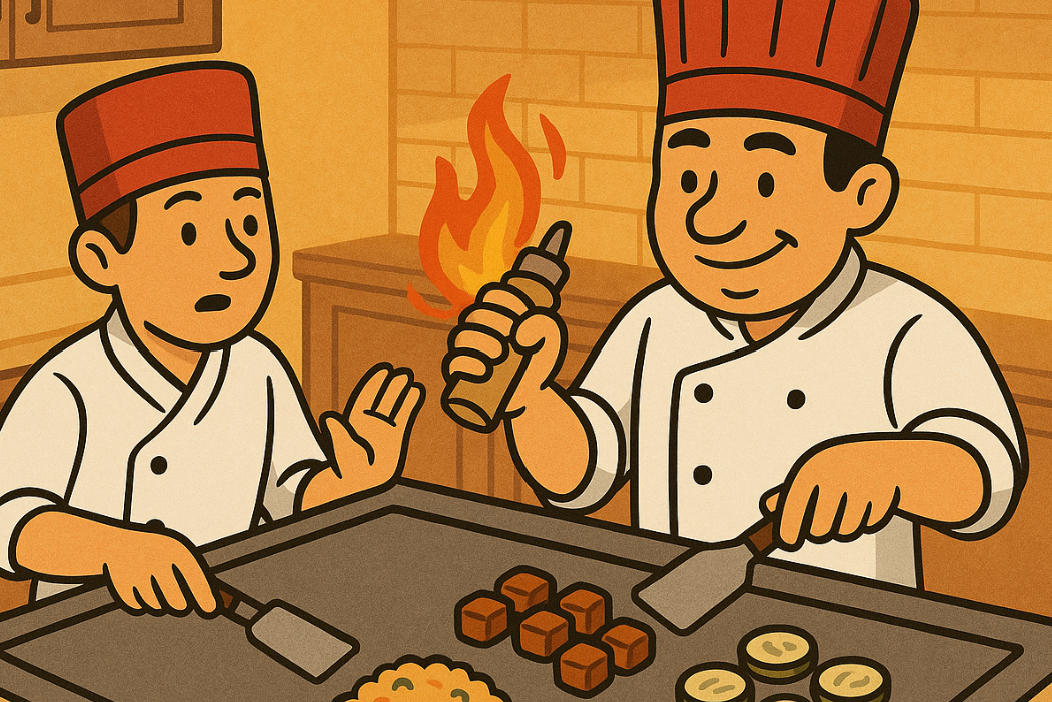
Training to become a hibachi chef involves mastering two intertwined skill sets: culinary fundamentals and showmanship.
Culinary Fundamentals & Teppanyaki Technique
Before a chef can dazzle diners with knife tricks or flaming onion volcanoes, they must master the core culinary skills:
-
Basic Cooking Techniques:
-
Understanding heat management on a flat-top teppanyaki grill
-
Safe handling and preparation of ingredients (chopping, dicing, slicing)
-
Cooking proteins to perfection: steak, chicken, shrimp, scallops, lobster
Ingredient Knowledge:
-
Vegetables: zucchini, mushrooms, onions, bean sprouts, broccoli, carrots
-
Rice and noodles: fried rice, Teppanyaki noodles
-
Protein pairing and portioning for visual appeal and taste
Sauce Mastery:
-
Classic Yum Yum Sauce and ginger dipping sauces
-
Marinades and cooking sauces applied directly on the grill for flavor infusion
-
Understanding how sauces caramelize at high heat for optimal taste
Grill Management:
-
Teaches precise heat zone control: searing, gentle cooking, and warming
-
Multi-order cooking without flavor cross-contamination
-
Speed and efficiency for high-volume service while maintaining quality
Knife Skills & Performance Tricks: The “Show”
The hibachi chef’s stage isn’t just the grill it’s the entire dining experience. This includes:
Onion Volcano: Carefully stacked onions ignited for a flame effect
Egg Toss and Spin: Cracking, tossing, and spinning eggs onto the grill or into diners’ bowls
Shrimp & Vegetable Toss: Flipping food with precision into mouths or bowls
Spatula Drumming & Juggling: Creating rhythms and visual displays with cooking tools
Flaming Presentations: Controlled bursts of flame for dramatic effect
Chefs spend countless hours practicing these movements, often using vegetables or rubber training tools before moving to live ingredients. Knife dexterity, safe handling, and precise cutting are critical skills to avoid injury while entertaining diners.
The Training Process: From Novice to Master
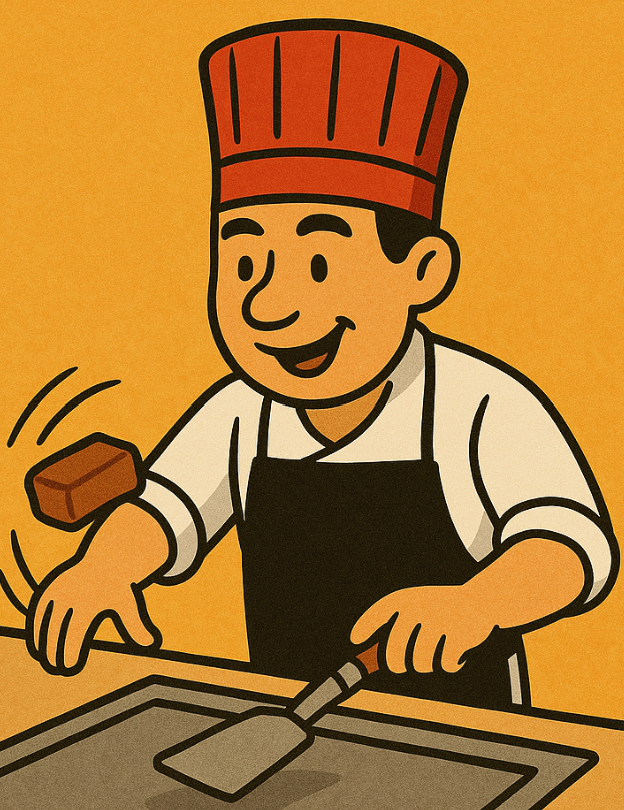
Becoming a hibachi chef is not a single path it’s a journey. Most chefs progress through several stages:
Apprenticeship and On-the-Job Training
-
Many start in entry-level kitchen roles: prep cook, dishwasher, or line cook
-
Observe seasoned hibachi chefs, learning timing, tricks, and heat control
-
Practice during off-hours or slow shifts under mentor supervision
Formal Culinary Programs
-
While general culinary school builds foundational skills, hibachi-specific training is rarer
-
Specialized programs (when available) focus on teppanyaki techniques, ingredient prep, and showmanship
Continuous Practice
-
Repetition is key: chefs spend personal time refining tricks, speed, and efficiency
-
Mirror practice allows chefs to view their performance from the diner’s perspective
-
Trick combinations and personal flair develop over years of experience
Developing Showmanship
-
Beyond technical skills, engagement with diners is vital
-
Includes storytelling, patter, jokes, audience interaction, and table management
-
Experienced chefs adjust performance based on audience age, size, and event type
Practicing Hibachi Skills at Home
Aspiring chefs can practice safe aspects of hibachi cooking at home:
Master ingredient prep: chopping, dicing, portioning
Practice stir-frying proteins and vegetables
Use spatulas to flip vegetables or rice in a controlled environment
Dangerous tricks, like flaming onion volcanoes or juggling knives, should only be performed by trained professionals. Safety is the top priority.
Event Settings and Real-World Practice
Hibachi chefs work in diverse settings, which helps develop adaptability:
Private Homes: Backyards in Boise, Eagle, or Meridian
Corporate Venues: Offices, community centers, or conference spaces
Outdoor Events: Patios, fire pits, or scenic foothill views
Vacation Rentals / Airbnb: Adapting to non-traditional setups
Training in varied environments teaches chefs spatial awareness, timing, and crowd engagement.
Career Path and Opportunities
Becoming a hibachi chef opens multiple avenues:
Restaurant Employment: Classic Japanese steakhouses or fusion hibachi restaurants
Private Event Catering: Mobile hibachi services for homes, corporate events, and outdoor parties
Specialized Training Roles: Mentoring apprentices and teaching workshops
Competition and Demonstration: Culinary events, fairs, and food festivals
Each path emphasizes a balance between culinary skill and performance.
Hyper-Local Perspective: Treasure Valley & Boise
Love Hibachi provides mobile hibachi services across Boise and the Treasure Valley. Understanding local culture and venues is critical:
Boise North End: Intimate patios for small birthday parties
Eagle & Meridian: Corporate events and graduation celebrations
Kuna, Star, Nampa: Community block parties and multi-generational family events
Boise Foothills: Scenic setups with sunset backdrops
Local knowledge ensures smooth logistics, optimal timing, and memorable events, critical for hibachi chefs performing live.
Advanced Tips for Aspiring Hibachi Chefs
Develop Hand-Eye Coordination: Essential for tossing, flipping, and juggling ingredients.
Study Seasonings: Understand how sauces, butter, and garlic affect flavor under high heat.
Mirror Your Performance: Watch yourself and refine timing and gestures.
Learn Crowd Engagement: Use humor, storytelling, and energy to enhance dining experience.
Practice Multitasking: Managing several orders simultaneously on a hot griddle is crucial.
Build Muscle Memory: Repetition of spatula and knife movements leads to precision and confidence.
Safety First: Always prioritize protective gear, controlled flame management, and knife handling.
The Love Hibachi Advantage
At Love Hibachi, our chefs combine years of training with hands-on performance experience:
Professional-grade equipment for authentic teppanyaki cooking
Premium ingredients: steak, chicken, shrimp, scallops, fresh vegetables
Live performance: onion volcanoes, knife tricks, and interactive cooking
Customization: dietary accommodations and event-specific menu options
Aspiring chefs working with Love Hibachi can observe and learn both culinary and entertainment skills, gaining insights into safe and professional hibachi practice.
Bringing the Hibachi Experience Home
Want to experience professional hibachi at home without learning all the tricks yourself? Love Hibachi offers private chefs for events in Boise, Meridian, Eagle, and surrounding Treasure Valley areas. Guests enjoy:
Live teppanyaki cooking with professional technique
Interactive entertainment for all ages
Premium ingredients and sauces prepared in front of the diners
Fully managed setup and cleanup
This offers inspiration for aspiring chefs and an unforgettable experience for hosts and guests alike.
Can You Practice Hibachi Tricks at Home?For those inspired to try some Hibachi at home, it's important to distinguish between cooking the food and performing the more dangerous tricks. You can certainly practice the cooking techniques on your own Hibachi Grill or flat-top: precise chopping, quick stir-frying, and managing different ingredients. You can even try basic spatula flips with sturdy vegetables.
However, tricks involving fire (like the onion volcano) or sharp knives being juggled are best left to trained professionals in a controlled restaurant environment. Safety should always be your top priority when cooking Hibachi at home.
The journey of a hibachi chef is one of dedication. They blend the discipline of a cook with the charisma of an entertainer, transforming a simple meal into a fiery, flavorful spectacle. It's a testament to hours spent behind the scenes perfecting every slice, toss, and sizzle.
Want to witness this incredible skill and enjoy an unforgettable dining experience without leaving your home? For a truly authentic and entertaining event, Love Hibachi offers professional private hibachi chefs who bring the Hibachi Grill, the talent, and all the amazing flavors directly to your party. See their incredible training in action and use this link to get a $20 discount on your booking!
Conclusion
The journey to becoming a hibachi chef blends culinary mastery with showmanship. It requires:
-
Rigorous training on ingredients, sauces, and grill management
-
Mastery of knives, spatulas, and teppanyaki techniques
-
Continuous practice of tricks and performance
-
Crowd engagement and interactive dining expertise
Aspiring chefs can start by practicing cooking techniques at home, gradually building skills in ingredient prep, heat control, and multitasking. The more dangerous tricks, such as flame displays and juggling knives, should only be attempted under professional supervision.
For those who want to witness this skill and enjoy authentic hibachi flavor and performance, Love Hibachi brings professional chefs and teppanyaki experiences directly to homes in Boise and the Treasure Valley. Experience the magic, learn from the masters, and understand what makes a hibachi chef truly exceptional.