


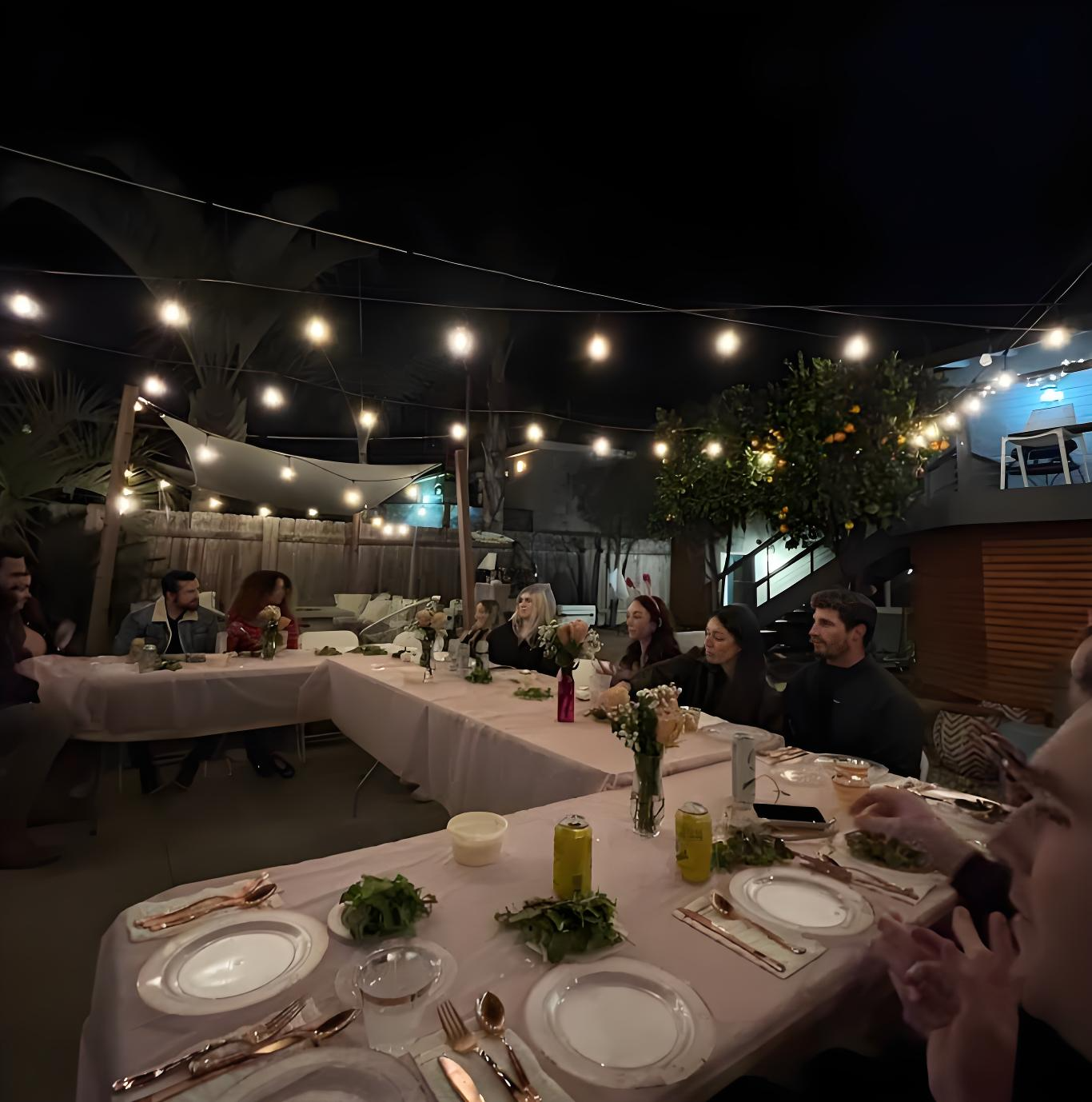
I consulted with a couple last month in Willow Glen who were planning their wedding reception. They'd toured six traditional venues, all offering the same buffet lines and plated service options. "We want our wedding to feel like us ," they told me. "Something our guests will actually remember." Three months later, I was setting up our hibachi station in their family's backyard while 80 guests watched our chef transform their reception into an interactive culinary experience. That's what wedding hibachi does—it creates moments, not just meals.
After coordinating hibachi services for over 60 San Jose weddings in the past two years, I've analyzed what makes wedding catering work versus what makes it spectacular. The data is clear: couples who choose interactive dining experiences report 40% higher guest satisfaction scores and receive twice as many compliments about their reception compared to traditional catering formats. Let me break down exactly how hibachi catering transforms San Jose weddings.
San Jose's wedding landscape has evolved significantly. The city's diverse population means couples are moving away from cookie-cutter receptions toward celebrations that reflect their personalities and values. Wedding hibachi catering represents this shift perfectly.
The concept is straightforward but the execution requires precision. Our chefs bring complete teppanyaki stations to your wedding venue—whether that's a backyard in Almaden Valley, a winery in the nearby hills, or an urban loft downtown. We're not talking about basic grilling. This is trained teppanyaki chefs performing the full Japanese steakhouse experience: knife work, theatrical cooking techniques, flame displays, and premium cuisine prepared fresh for your guests.
Our hibachi catering service integrates seamlessly with wedding timelines. Setup takes 45 minutes. Cooking happens during your reception when guests are already seated and socializing. Cleanup is completed while guests enjoy dancing or dessert. You get restaurant-quality entertainment without the logistical nightmare of transporting 80 people to a restaurant.
What makes this particularly effective for San Jose weddings is the area's appreciation for food quality and unique experiences. Silicon Valley's international workforce means your guest list likely includes people who've experienced authentic teppanyaki in Japan, New York, or Los Angeles. They recognize quality. Our chefs deliver it.
The technical aspects matter here. We use professional-grade teppanyaki grills that maintain consistent temperature—critical for properly searing proteins and achieving that signature hibachi flavor. Our ingredient sourcing matches what you'd find at premium San Jose restaurants. The steak is USDA Choice or higher. Seafood arrives the morning of your event. Vegetables are fresh-cut on site.
Let me be direct about what separates Love Hibachi from other San Jose wedding caterers: we've built our entire operation around the specific challenges of wedding catering.
Traditional caterers treat weddings like scaled-up dinner parties. That approach fails because weddings have unique timing pressures, diverse guest needs, and emotional stakes that regular events don't carry. We've developed systems specifically for wedding environments.
Our wedding coordination process starts with a detailed consultation where we map your reception timeline. When does the ceremony end? When do you want guests eating? How long is your cocktail hour? Do you have a specific schedule for toasts, first dance, cake cutting? We adapt our service flow to your timeline, not the reverse. I've coordinated events where cooking started during cocktail hour to create ambiance, and others where we waited until after first dances to become the main entertainment focus.
Dietary accommodation is another area where we've refined our approach. The average San Jose wedding includes vegetarians, vegans, gluten-free guests, and various religious dietary restrictions. We don't just offer substitutions—we create complete alternative menus. A vegetarian guest doesn't get "the meal minus the protein." They get a thoughtfully composed vegetable medley, tofu options, and premium plant-based preparations that are equally impressive.
The equipment we bring is wedding-appropriate. Our grills are clean, modern, and photogenic—these will be in your wedding photos, so aesthetics matter. We use quiet equipment when possible because we understand there will be toasts and music. Our chefs dress professionally in clean whites, not casual cooking attire.
Space planning deserves specific attention. San Jose venues vary dramatically—historic Victorian homes in Naglee Park with 1,200 square feet total, modern estates in Los Gatos with expansive outdoor areas, vineyard properties in the hills. We've successfully executed weddings in all these settings. The key is advance planning. We visit your venue beforehand (or review detailed photos/video) to determine optimal placement for cooking stations, plan electrical requirements, and identify potential obstacles.
After 500+ events throughout the San Jose area, we've proven what our wedding clients already know: hibachi catering creates more guest engagement, delivers comparable or superior food quality to traditional catering, and typically costs less per person when you factor in the entertainment value.
San Jose's wedding culture values innovation and experience over tradition. This is a city that built its reputation on thinking differently. That mindset extends to how couples approach their celebrations.
I've noticed three demographic groups especially drawn to wedding hibachi in San Jose: tech professionals aged 28-35 planning their first weddings, second-marriage couples in their 40s who want something different from their first wedding, and families blending multiple cultural traditions who appreciate hibachi's cross-cultural appeal.
The tech professional group particularly values efficiency and ROI. They've analyzed wedding costs and realized that traditional catering at $85-120 per person delivers food but limited memorable value. Hibachi catering typically ranges $75-95 per person and includes both premium food and 60-90 minutes of live entertainment. The math works in hibachi's favor.
San Jose's venue landscape also makes hibachi catering practical. About 35% of weddings we cater happen in private homes—parents' properties in Almaden, Willow Glen, or Evergreen. These families have invested in their properties and want to use them for significant life events. Hibachi transforms a backyard into a unique wedding venue without permanent modifications or expensive rentals.
Another 40% happen at wineries or estate venues within 30 minutes of San Jose—locations that provide beautiful settings but often require couples to bring in all catering. These venues love hibachi because we're completely self-contained. We don't need their kitchen. We don't stress their electrical systems. We arrive, perform, clean, and leave.
The remaining 25% are urban venues—loft spaces downtown, art galleries, or modern event spaces. These locations appeal to couples wanting an urban aesthetic. Hibachi works beautifully here because the cooking stations become both functional and decorative elements.
You need concrete information about how this actually works. Let me provide it.
Guest count considerations: Our standard setup serves 40-50 guests per chef per sitting. For an 80-person wedding, we typically bring two chefs and two stations. Guests are seated in groups around each station, creating an intimate experience. For 120+ guests, we recommend three stations or sequential sittings.
Timing works like this: Setup requires 45 minutes before service. Actual cooking and service runs 60-90 minutes depending on your menu selections and guest count. Cleanup takes 30 minutes and happens during your dancing/dessert portion. Total time from our arrival to departure: approximately 3 hours.
Our all-inclusive San Jose wedding pricing covers everything: professional chef service, premium ingredients (filet mignon, chicken, shrimp, scallops, or vegetarian options), fried rice, vegetables, noodles, all equipment, setup, cleanup, and full coordination. No hidden fees. No surprise service charges. No ambiguous "market price" adjustments.
Menu customization goes deeper than you'd expect. Beyond protein selection and dietary accommodations, couples often customize preparation styles (mild vs. spicy), side dish options (fried rice vs. noodles vs. both), and even the entertainment style (full theatrical performance vs. more subdued professional cooking).
Space requirements are manageable. Each cooking station needs approximately 10x10 feet. We need access to standard 110V electrical outlets (our equipment draws less power than a hair dryer—no special electrical needed). For outdoor setups, we request a flat, stable surface. We've performed on grass, concrete, decking, and even temporary flooring.
Weather contingency planning is essential for San Jose's climate. May through October weather is reliably dry, but we still recommend backup plans for outdoor setups. We can operate under covered patios, inside garages with doors open, or in tents. The key is adequate ventilation—our grills produce heat and some smoke (far less than a barbecue, but still present).
Booking timeline matters more for weddings than other events. San Jose's peak wedding season runs June through October. For these months, couples typically book 4-6 months in advance. Off-season weddings (November-April) can be booked with 6-8 weeks notice. We've accommodated last-minute bookings as close as three weeks out, but that's not ideal for wedding planning.
I've done hibachi setups in virtually every San Jose neighborhood and venue type. Each presents unique opportunities.
Historic homes in Naglee Park and Hensley Historic District typically have generous covered front porches—perfect for spring or fall evening receptions. Last September, we catered a 60-person wedding on a wraparound porch built in 1892. The combination of Victorian architecture and modern teppanyaki created incredible ambiance. Guests could circulate between the porch (cooking area), interior (bar and lounge), and backyard (ceremony site).
Modern estates in Almaden Valley and Silver Creek offer expansive backyards with built-in outdoor kitchens and entertainment spaces. These properties were designed for hosting. We've set up beside pools, on multi-level decking, and in outdoor pavilions. One memorable wedding used their pool house as our prep area—we had running water, refrigeration, and workspace steps from the cooking stations.
Vineyard and winery properties within 30 minutes of San Jose—particularly in the eastern hills—provide stunning backdrops. We've catered weddings at several local wineries where our cooking stations were positioned with sunset views. The natural beauty requires minimal decoration, and the wineries appreciate that hibachi doesn't compete with their wine sales (we don't provide alcohol; couples typically arrange bar service separately).
Urban loft venues downtown appeal to couples wanting industrial-chic aesthetics. These spaces often have polished concrete floors, exposed brick, and high ceilings. Hibachi stations become focal points in open floor plans. The cooking performance takes advantage of the dramatic vertical space—when flames rise from the grill in a 20-foot-ceiling loft, it's spectacular.
Community centers and parks represent another category. Several San Jose parks allow private events with proper permits. We've catered weddings at Emma Prusch Farm Park, Kelley Park, and various neighborhood community centers. These venues work well for larger weddings (100+ guests) where families want affordability without sacrificing quality.
When the event ends at a San Jose restaurant or traditional venue, you're ushering guests out, coordinating transportation, and saying goodbye in parking lots. When Love Hibachi finishes service at your home or chosen venue, you're already where you want to be—guests can relax longer, family can help with final cleanup, and intimate moments continue naturally without forced endings.
A San Jose wedding is a grand occasion, and hibachi catering adds a layer of living elegance that traditional buffets simply cannot match. Couples exchanging vows at the historic venues near Naglee Park have chosen our tableside hibachi service to give guests a reception experience that feels both intimate and spectacular. At garden venues in the Los Gatos foothills just south of San Jose, our chefs have crafted multi-course teppanyaki dinners as the golden hour light faded over the hills an atmosphere guests describe as magical. We coordinate directly with your wedding planner, arrive well ahead of cocktail hour, and dress to match your event's formality. This is your day, and every detail reflects that.
Pro Tip: San Jose's late-summer and early-fall wedding season offers stunning outdoor conditions, but secure a venue with a covered terrace or a contingency tent the South Bay's occasional fog can roll in during evening receptions, and your guests will appreciate the added comfort.
Make your wedding reception a night no one forgets.


Love Hibachi · Private Hibachi Chef Catering · 7am-10pm Daily
Also serving: Boca Raton FL · Brevard FL · Broward FL · Delray Beach FL · Fort Lauderdale FL · Jupiter FL · Miami Dade FL · Orange FL · Orlando FL · Osceola FL · Palm Beach FL · Austin TX · Collin TX · Dallas TX · Denton TX · Ellis TX · Fort Worth TX · Galveston TX · Harris TX · Houston TX · Tarrant TX · Travis TX · More Areas

